
Home / Applications
APPLICATION-SPECIFIC ENGINEERING
Injection Molding Applications for Hardware Product Teams
The same molding process creates very different risks in an enclosure, wearable, robot, laboratory instrument, or consumer product. We review the part in the context of how it is assembled, used, inspected, and regulated.
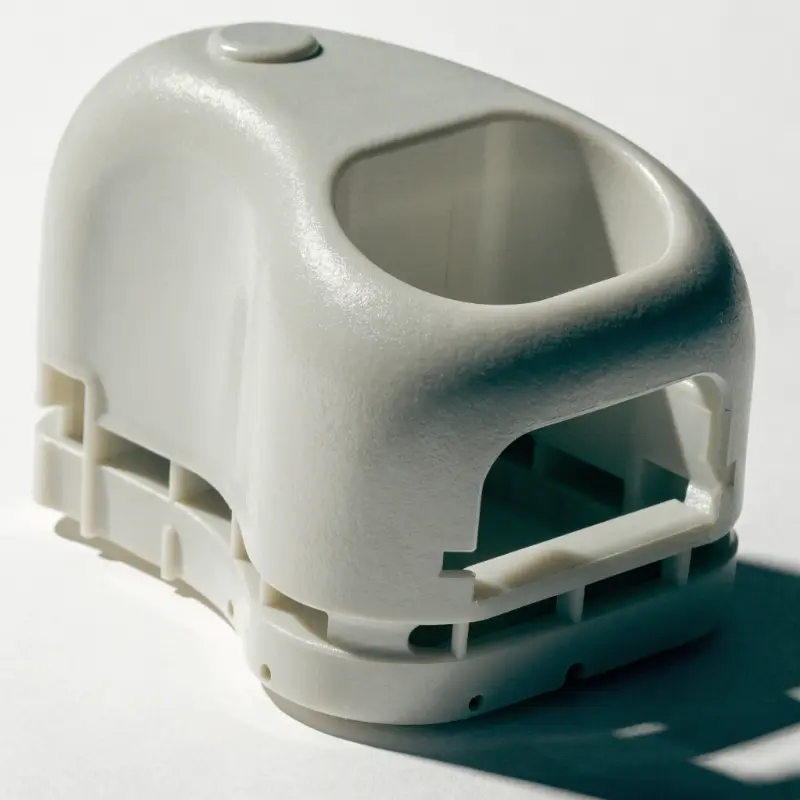
Electronic enclosures and IoT devices
Enclosures and housings
Boss strength, snap behavior, seams, flatness, vents, connector openings, cosmetic parting, texture, and EMI or sealing requirements need early alignment.
IoT and smart-home products
Antenna zones, LEDs or light pipes, sensors, heat, battery access, wall mounting, user touch points, and final-product certification influence plastic design.
Wearables, robotics, and industrial devices
Wearable components
Skin contact, sweat, cleaning, flexible interfaces, small fasteners, sealing, comfort, and cosmetic durability require exact material-grade and test decisions.
Robotics and industrial devices
Loads, vibration, moving interfaces, fastener retention, cable routing, guards, service access, and low-volume economics often drive the tool strategy.
Laboratory and diagnostic equipment
These programs may need chemical resistance, cleanability, traceability, controlled color, dimensional interfaces, and documented inspection. Requirements must be stated for the exact application and material grade; a generic resin name is not a compliance specification.
Consumer hardware
Appearance and launch timing matter, but so do assembly yield, drop or wear exposure, battery or charging interfaces, packaging, field returns, and the ability to repeat the approved finish.
Suitable medical-device plastic components
Startup Molding can evaluate plastic-component manufacturing where the required quality, documentation, material, and regulatory responsibilities are explicitly defined. We do not claim that component manufacturing replaces final-device validation, market authorization, or the manufacturer’s regulatory obligations. Teams should confirm device classification and applicable controls with the relevant authority, including the U.S. FDA or the applicable European framework.
Frequently Asked Questions
Do you certify the customer's finished product?
No. We manufacture agreed plastic components and support manufacturing evidence within scope. The product owner remains responsible for final-product certification and market access.
Can one material be used across all these applications?
No. Material selection depends on mechanical, thermal, chemical, electrical, cosmetic, environmental, and regulatory requirements for the exact part and grade.
What should an application brief include?
Explain where the part is used, what it contacts, loads and temperatures, mating components, failure consequences, target markets, and the tests or documents required.
Related Resources
Reviewed by Jerry Zou · Last updated August 28, 2026
Technical recommendations for a live project depend on the submitted revision, exact material grade, quality requirements, quantity, and agreed scope.
Ready to review your molding project?
Send your files and project requirements. We will review the manufacturing path before you commit to tooling.