
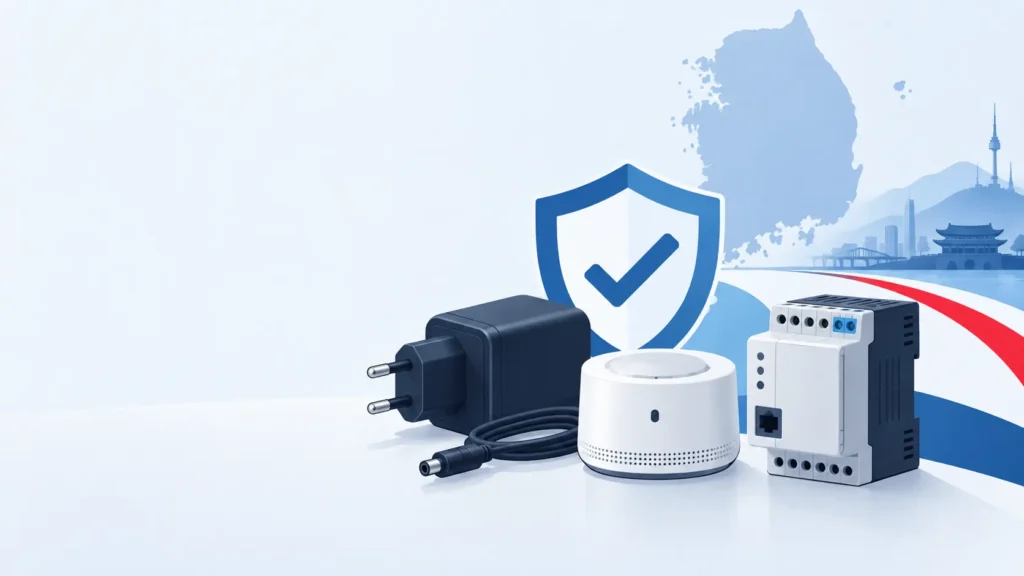
The KC mark appears on hardware products sold throughout South Korea,
including electric kettles, children’s toys, wireless speakers, and
industrial equipment. If you plan to sell a hardware product in South
Korea, understanding what the KC mark requires gives you the starting
point for planning your market entry.
Many companies make the mistake of treating KC as a single
certification, even though the KC system covers several different legal
systems. Two hardware products can carry the same KC mark while
following completely different approval processes, with different
agencies, tests, documentation, and ongoing compliance responsibilities.
This article explains what the KC system means, which hardware products
it covers, which certification route applies to your hardware product,
what testing and documentation each route requires, what marking and
ongoing obligations apply after approval, and which mistakes most often
prevent hardware
products
from entering the South Korean market.
KC Certification in South Korea: Meaning, Scope, and Product Categories
KC certification is South Korea’s mandatory government approval process
for products that manufacturers must complete before they can legally
manufacture, import, or sell those products in the country.
Manufacturers must demonstrate that their hardware products comply with
Korean safety, electromagnetic compatibility, and radio frequency
standards through product testing, documentation, and, in some cases,
factory inspection.
One hardware product may receive approval through the product safety
system, while another hardware product may receive approval through the
communications equipment system. The certification system that applies
to your hardware product determines the responsible agency, required
tests, required documents, and compliance obligations that continue
after approval.
Product categories under Korean KC requirements
Two distinct governmental systems cover virtually all the products that
need KC certification in South Korea.
The product safety system – KATS (Korean Agency for Technology and
Standards) administers
this one under the Ministry of Trade, industry and Energy.It deals with
three product groups:
-
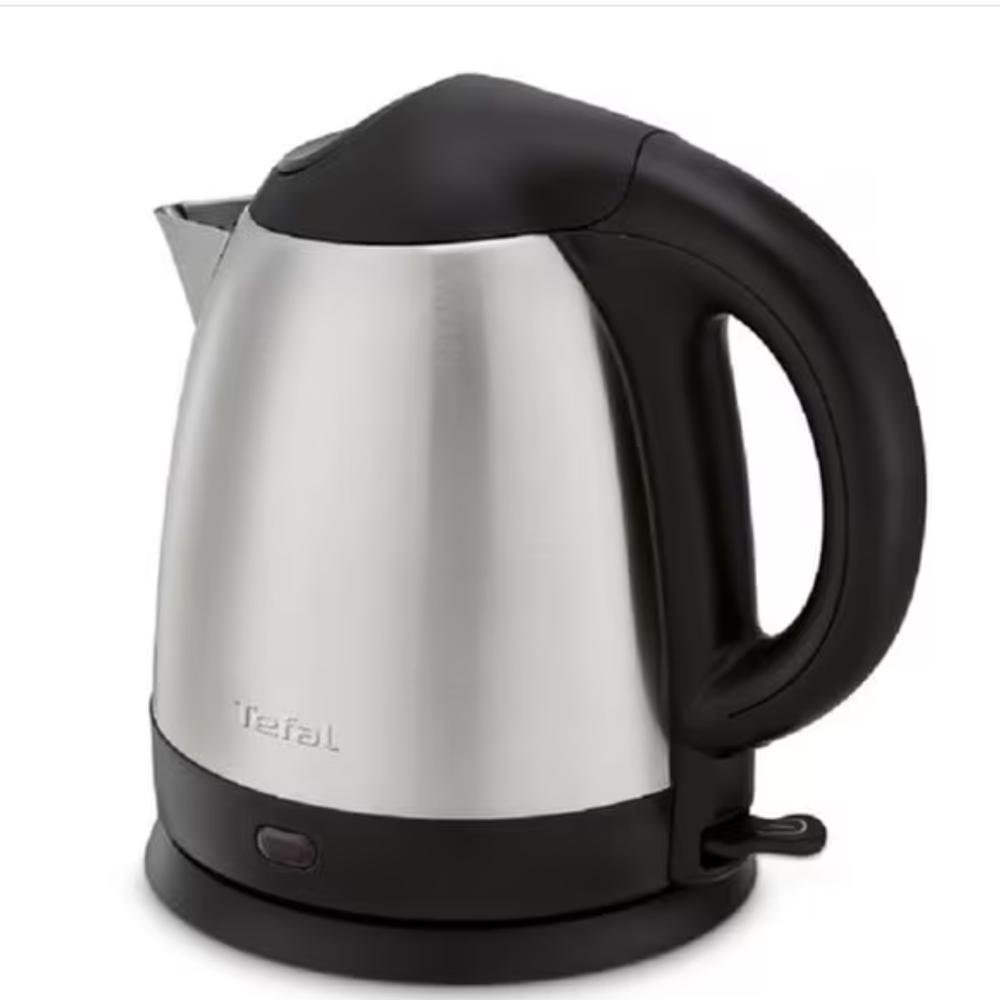
Electrical appliances – television sets, vacuum cleaners, printers,
electric irons, dishwashers -
Household and consumer goods – pressure cookers, helmets,
skateboards, PVC flooring
- Children’s products – toys, strollers, high chairs, children’s
bicycles
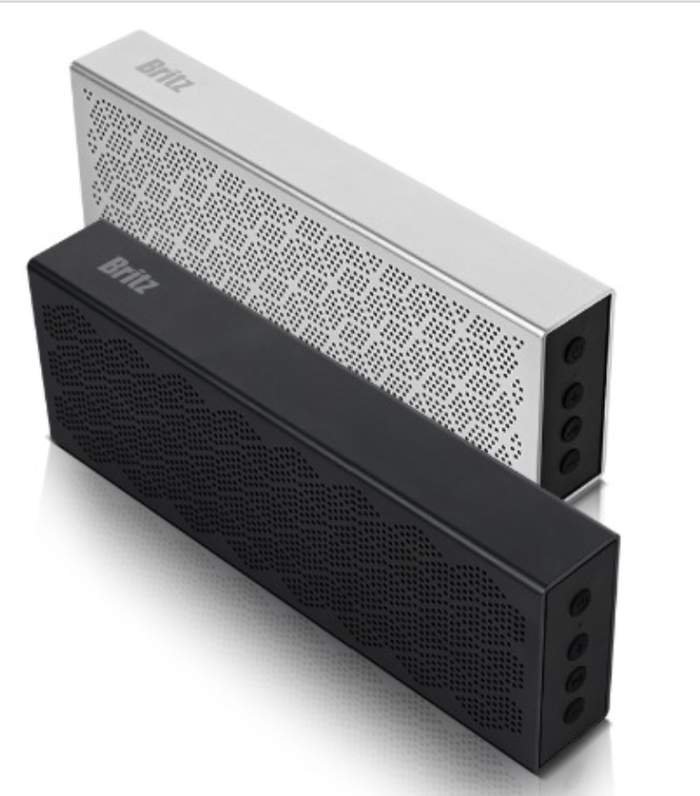
The communications equipment system – the national Radio Research
Agency (RRA) looks after this one
on its own under the Radio Waves Act.It deals with wireless devices,
computers, broadcasting equipment, electronic components, measuring
instruments, and some specialized industrial equipment.
Deciding if your product falls under KC certification
Your best bet for finding out whether your product needs KC
certification is really to see what it does – rather than what you
happen to call it. Then figure out which South Korean product category
it fits into, which Korean law governs that category and what that law
demands. That sequence – product function, category, law, requirement –
is the only reliable starting point here.
A bit of a trick: if your product gets plugged in, charged, has wireless
connections or is created for kids, start by guessing that KC might be
relevant – then move forward from there.
What you can’t do is start with your product’s commercial name.
‘Smart device’, ‘electronic charger’ and ‘wireless accessory’
aren’t recognized categories in the Korean regulatory framework. The
actual technical properties of the product – how it functions, what it
hooks up to, what kind of power it uses – determines which rule you’ll
need to follow.
Why the Same KC Mark Can Have Different Compliance Requirements
A wireless smart plug has electrical features that put it under the
product safety system and wireless features that put it under the
communications equipment system. This means two separate approval
processes may run at the same time, with two different government
agencies. Each system has its own application, approval body, and
ongoing compliance requirements, even when both place the same KC mark
on the product.
KC Safety Certification Routes for Electrical Appliances and Consumer Products
For products covered by the product safety system, KATS assigns one of
four routes according to the product’s safety risk level. Manufacturers
cannot choose the route themselves. The product category and its risk
classification determine the route.
Route Factory Product KC Logo on
Inspection Testing Product
Safety Certification Yes, annually Yes, in Korea Yes
Safety Confirmation No Yes, in Korea Yes
Supplier’s Conformity No Yes, to Korean Yes
Confirmation standards
Safety Standards No No No, different
Compliance label applies
Safety Certification has the strictest obligations, requiring annual
factory inspections in addition to product testing. Safety Confirmation
removes the factory inspection requirement but still requires full
product testing in Korea. Supplier’s Conformity Confirmation places
more compliance responsibility on the manufacturer, who tests the
product against Korean standards and self-declares conformity. Safety
Standards Compliance stands completely outside those routes, with no
product testing, no KC logo, and a separate labeling requirement that
most KC guides do not clearly explain to manufacturers.
KC Conformity Assessment Routes for Communications Equipment
For hardware products covered by the RRA system, three main conformity
routes apply. Conformity Certification requires the RRA to review
your hardware product and its test results before granting approval. An
officially recognized laboratory must perform the required testing.
Conformity Registration allows you to submit your test results and
product documents directly to the RRA. The RRA then registers the
hardware product without conducting a pre-approval review.
Self-Conformity Verification applies to qualifying hardware product
types where the manufacturer independently confirms compliance and keeps
the required compliance records.
South Korea also has an Interim Certification route for hardware
products that do not have an existing technical standard. Under this
route, the RRA evaluates the equipment against accepted international
standards under defined conditions.
Responsible Applicants in the KC Certification Process
For the product safety system, either the manufacturer or importer can
submit the KC application, depending on the applicable route. A foreign
hardware product manufacturer can apply directly under certain routes.
Distributors cannot submit the application.
For the RRA communications equipment system, a business without a
registered address in South Korea must appoint a Korean legal
representative to manage the application. The representative’s details
appear in the official approval record and can affect the business’s
ability to update the approval independently later. This requirement
applies specifically to the RRA system.
The KC Certification Process: Overall Assessment Sequence
Regardless of the applicable system and conformity route, the hardware
product approval process generally follows these steps:
-
Confirm the requirements that apply to the hardware product and
identify the correct conformity route -
Prepare the required product documents and application materials
-
Submit the hardware product samples and required paperwork
-
Complete the required hardware product testing
-
Complete a factory inspection if the selected route requires one
-
Receive the applicable certificate, registration, or confirmation
-
Apply the correct KC labeling to the hardware product and its
packaging before sale
KC Certification Exemptions and Special Import Situations
A hardware product that falls completely outside the regulated
categories does not require KC certification. This is different from a
hardware product that falls within a regulated category but qualifies
for an official exemption. These two situations follow different
requirements.
The RRA provides exemptions for communications equipment used for
research, product testing, trade exhibitions, and repair. The product
safety system also has exemptions that depend on the specific conformity
route. Before treating your hardware product as exempt, confirm the
exact conditions under the current Korean rules. An exemption that
applies to one hardware product type does not automatically apply to
another.
KC Product Testing and Applicable Korean Safety Standards
There is no single test package for every KC-regulated hardware product.
The tests your product must pass depend on the product type, the Korean
standard that applies to it, and the certification route you choose.
One option many manufacturers miss is using an internationally
recognized safety test certificate, known as a CB
certificate.
If you already have one, it may reduce the amount of additional testing
your hardware product needs in Korea. However, the certificate must
cover South Korea’s standard electrical voltage for this to apply. If
it does not, you will need additional testing, even if your existing
certificate already includes other safety tests.
Designated Testing Laboratories and Foreign Test Result Recognition
For the product safety system, South Korea recognizes three main Korean
testing and certification bodies:
- KTL: Korea Testing Laboratory\
KTR: Korea Testing and Research Institute\
KTC: Korea Testing Certification
For the RRA Conformity Certification route, South Korea can also accept
test reports issued by laboratories in countries that have formal
testing recognition agreements with Korea. Your existing overseas test
results will qualify only if the relevant agreement allows them and the
testing covers the Korean standard that applies to your hardware
product.
Factory Assessment vs. Product Testing in South Korea
These are separate requirements with different purposes.
Product testing checks whether your hardware product meets the required
South Korean standard. A factory assessment
checks
whether your production facility can consistently manufacture hardware
products that meet that standard. During the assessment, inspectors
review your manufacturing process, quality controls, and on-site testing
equipment.
Documentation Requirements for KC Certification
Each KC application has its own document requirements based on the
certification route and system that applies to your hardware product.
Most applications require some combination of:
-
Completed application form and company registration
-
Product description and technical specifications
-
Technical drawings and product photographs
-
Wiring and component diagrams
-
Test reports
-
User manual written in Korean
-
Manufacturer and production site information
-
Legal representative details where required by the RRA system
For RRA Conformity Certification specifically, you need to provide the
application, user manual, test report, product photographs, wiring
diagram, component layout, and legal representative information. Your
documents must accurately describe the exact hardware product you
manufacture and sell. If you change the product after approval, those
changes can affect whether your certification still applies to the
hardware product you are shipping.
KC Mark Requirements, Manufacturer and Importer Responsibilities
Getting the KC mark does not mean your compliance work is finished. It
starts your ongoing compliance responsibilities. The mark tells buyers
and South Korean authorities that your hardware product completed the
required approval process when you received certification. However, the
mark does not show whether that approval remains valid today or whether
the hardware product you are shipping still matches the product that was
originally approved. You remain responsible for both.
KC Mark and Product Labeling Requirements by Certification Route
For RRA-regulated equipment, you must place the certification identifier
permanently and clearly on both the hardware product and its packaging,
using the format required by the RRA. If the product is too small for
the standard label, you must use one of the defined alternative labeling
options.
For products covered by the safety system, you must place the required
label on both the hardware product and its packaging. The label must
include the certification body name, certificate number, product name,
model name, production date, and electrical specifications. You must
provide all of this information in Korean.
Safety Standards Compliance products do not use the KC logo. Instead,
they use a label that matches the applicable safety standard. If you
place the KC mark on one of these hardware products, you have made a
labeling error, even if the product meets all other compliance
requirements.
Manufacturer Responsibilities Under South Korea’s KC System
Getting KC approval does not end your compliance responsibilities. As a
hardware product manufacturer, you must:
-
Keep the hardware product consistent with the product that was
tested and approved -
Maintain the production controls required under your certification
route -
Keep all required compliance records for the required period
-
Follow the correct procedure before changing the hardware product or
your manufacturing process -
Cooperate with government inspections or compliance checks required
by the relevant authority
Importer Responsibilities for Products Entering the South Korean Market
Korean law gives importers their own legal responsibilities, separate
from the manufacturer’s responsibilities. Before you bring a hardware
product into South Korea or offer it for sale, you must confirm that the
manufacturer completed the required certification. You must also verify
that the certificate or registration matches the current hardware
product, check that the product has complete and correct labeling, and
keep all required documents available for inspection when requested.
Foreign Manufacturers and Korean Legal Representative Requirements
For the RRA communications equipment system, a foreign manufacturer that
does not have a registered Korean business address must appoint a Korean
legal representative. For the product safety system, the requirements
depend on the certification route and the applicant’s status in Korea.
Post-Market Surveillance and Continuing KC Compliance
South Korea actively monitors the market for hardware products that do
not have the required certification, have incorrect labeling, or no
longer meet the standards used for their original approval. The RRA also
maintains a public database that allows anyone to check the current
certification status of communications equipment.
South Korea’s 2025 Product Safety Investigation
Plan
increased overseas direct-purchase product inspections from 450 in 2024
to more than 1,000 in 2025. This reflects a clear increase in
enforcement, particularly for hardware products sold through online
retail channels.
Product and Manufacturing Changes After KC Approval
You cannot ignore changes to components, product design, software, model
range, or production facilities after receiving KC approval. Depending
on the applicable certification system, a change may require you to
notify the relevant authority, submit the change for review, or complete
another approval step before you can continue selling the updated
hardware product. The RRA has a defined process for reporting changes to
communications equipment after approval. You identify what changed, and
the Korean authority determines what action the change requires.
Common KC Certification Mistakes for Products Entering South Korea
-
Treating KC as one certification process. The KC mark is
unified, but the legal systems, government agencies, certification
routes, and compliance obligations behind it are different. -
Choosing a certification route based on the product’s commercial
name. Terms such as "smart device" and "wireless accessory"
do not define Korean regulatory categories. The technical
characteristics of the hardware product determine which
certification system and route apply. -
Assuming every electrical hardware product needs Safety
Certification and a factory inspection. The product safety
system has four certification routes. Only the Safety
Certification route requires a factory inspection. -
Assuming all product testing must take place in Korea. South
Korea may accept internationally recognized safety test
certificates and certain overseas laboratory results. In specific
cases, these documents can reduce the testing required for your
hardware product. Many manufacturers overlook this option. -
Assuming the KC mark proves that the hardware product remains
compliant. The mark shows that the product completed an approval
process. It does not prove that the certificate remains valid or
that the hardware product still matches the product that received
approval. -
Changing the hardware product without checking your compliance
obligations first. Changing components, updating software,
creating new model versions, or moving production to another
facility can affect the product’s certification status. -
Applying the KC logo to a Safety Standards Compliance product.
These hardware products require a different label. The KC mark
does not apply to them. -
Treating CE or FCC
certification
as a replacement for Korean certification. Certificates from
other markets may support a KC application in limited situations.
They do not replace the Korean certification requirements. -
Overlooking the importer’s separate legal responsibilities.
Importers have their own obligations under Korean law, regardless
of what the manufacturer has already completed. -
Using an outdated KC guide. The RRA issued two regulatory
updates in 2025 alone. Always confirm the current requirements
before you begin the KC certification process.
Preparing Your Hardware Product for KC Compliance in South Korea
A successful KC approval process starts long before you submit your
application. The decisions you make during the hardware product design
and production stage, including how you build the product, which
materials you use, and how consistently you can reproduce the product,
can determine whether the process moves smoothly or stalls.
If your hardware product is moving into the enclosure design and
production stage, StartupMolding can support you at this stage. Its
services include:
You can share your enclosure CAD files, component and layout
information, and production requirements with StartupMolding for a
manufacturability
review.
KC Certification South Korea, Frequently Asked Questions
Who Pays for KC Certification, the Manufacturer or the Importer?
Korean law does not say whether the manufacturer or the importer must
pay for KC certification. Instead, the law identifies who must apply for
the certification and who must meet the ongoing legal requirements. The
manufacturer and importer can agree privately on who will pay the
certification costs. However, this private agreement does not change who
has the legal compliance responsibility.
Does the KC Mark Need to Appear on the Product Itself, or Is Packaging Sufficient?
For most regulated hardware products, the required product
identification must appear on both the product and its packaging. If a
product is too small to carry the standard labeling, the RRA system
provides specific alternative labeling methods. Safety Standards
Compliance products do not use the KC logo. Instead, these products must
follow a separate labeling requirement.
If a Product Changes After KC Certification, Does It Need to Go Through the Full Process Again?
Not always, but the manufacturer cannot ignore a product change. A
modification may require a notification, a review, or a completely new
certification application, depending on what the manufacturer changes
and which certification route the hardware product follows. The
manufacturer must first identify exactly what changed. The relevant
Korean authority then determines what action the change requires.
Is a Korean Representative Required for Every KC Certification Application?
No. A Korean representative is specifically required when a foreign
hardware manufacturer applies under the RRA system without a Korean
business address. For the product safety system, the requirement depends
on the certification route that applies to the hardware product.