
If you are preparing to talk to a manufacturer about your hardware product, understand this first: no single type of intellectual property protects every part of your product.
A 2017 update from the Commission on the Theft of American Intellectual Property estimated that counterfeit goods, pirated software, and trade-secret theft cost the U.S. economy between $225 billion and $600 billion annually. Hardware companies face high exposure because the physical product itself can show how the invention works.
Your hardware product can include a technical invention, physical design, CAD files, a PCB layout, firmware, manufacturing processes, and brand assets. Each asset may require a different protection strategy. Some rights, such as copyright in original drawings, CAD files, and software code, may arise automatically when the work is created and fixed in a tangible form. Patents and registered trademarks generally require formal applications, while trade-secret protection depends on taking reasonable steps to keep the information confidential.
This article explains what you need to identify, when to file patents, how to use NDAs without leaving gaps, how to protect your rights when a manufacturer gets involved, and what you should do before that first conversation begins.
What Your Hardware Product Actually Contains That Needs Protecting
Every inventor starts with an idea, but a hardware product contains several separate assets, and each one has its own protection options.
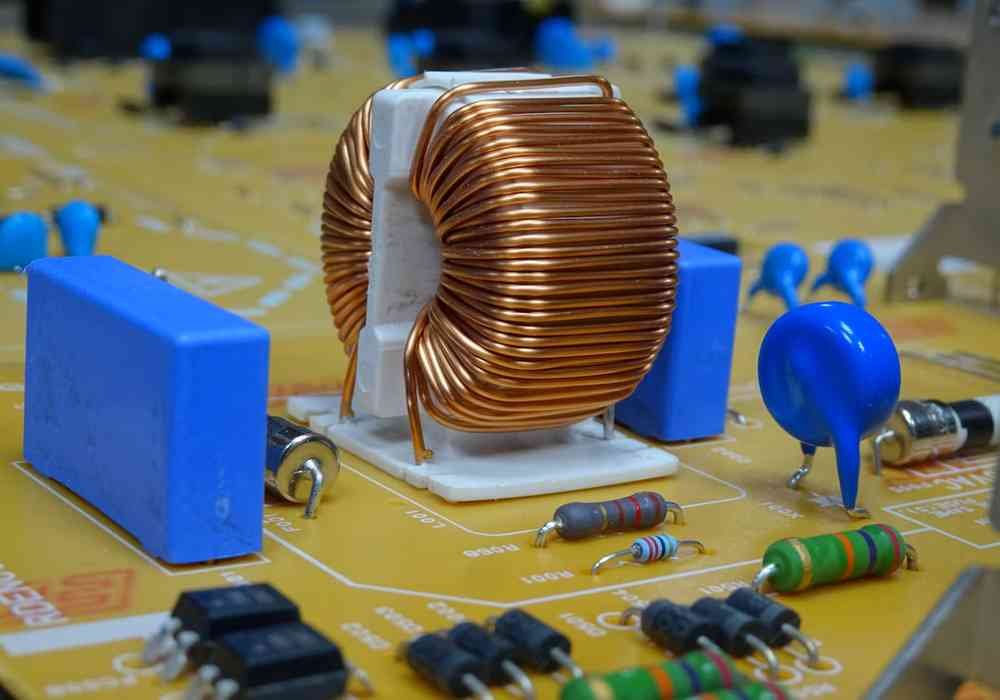
Separate the Hardware Product Into Its Individual Protectable Assets
Think through every part of your hardware product before anyone else sees it. A product may start as a simple napkin sketch, then become a working prototype, and eventually become a finished product. Every new layer can create additional IP that you need to protect:
-
The technical invention or operating mechanism
-
The physical appearance and enclosure design
-
CAD models and engineering drawings
-
Firmware and embedded software
-
Manufacturing processes and technical know-how
-
The product name, logo, and brand
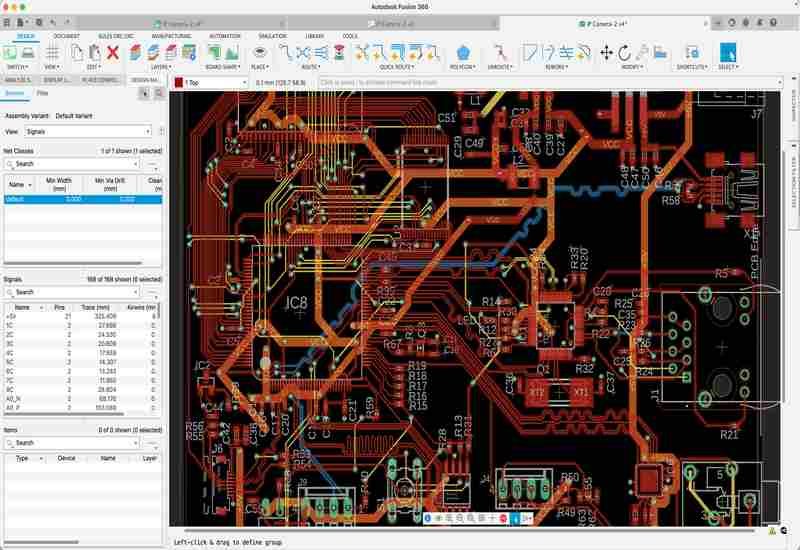
Each item on this list has different protection options. Treating all of them as one thing to patent is where many hardware companies make mistakes from the beginning.
Matching Each Asset to the Appropriate form of IP Protection
When you finally determine what your product comprises, the next stage will be determining which type of intellectual property really matters to each component:
| Asset | Relevant Protection |
|---|---|
| Technical invention or mechanism | Patent (utility) |
| Product appearance and enclosure | Design patent or industrial design |
| CAD files and engineering drawings | Copyright (expression, not the idea) |
| Firmware and software code | Copyright |
| Product name and logo | Trademark |
| Manufacturing processes and know-how | Trade secret |
| Supplier and production information | Trade secret |
These constitute the fundamental components of any hardware IP plan. A utility patent addresses the operational functionality of a thing while a design patent focuses on its appearance. Copyright safeguards the actual manifestation of an idea – not the idea – meaning your engineering drawings are protected as an original creation but their described function would need a patent for preventing potential infringement. Trade secrets safeguard sensitive information provided that you continue to do so on an ongoing basis.
Establish what already belongs to you before the manufacturer gets involved
Prior to involving any manufacturer with your product, establish a written record of what already exists and who developed it. As soon as actual engineering commences, issues regarding the ownership of updated versions and fresh work quickly arise and if there isn’t a well-defined starting point documented then a founder’s place in any future ownership dispute becomes extremely challenging to support.
How to secure patent and design protection before making any disclosures
Time is often one of the least understood aspects of patent protection for hardware start-ups. Lots of founders believe filing is something they’ll deal with once their product is all set but some choices determined even before talking to a manufacturer could decide if you have the right to file at all.
Evaluate Whether the Invention Qualifies for Patent Protection
Not every inventor has a patentable invention and not all hardware products qualify. For you to be able to file a patent application your invention really needs to be new, not obvious and useful. A patent lawyer will evaluate whether your particular mechanism satisfies these conditions prior to investing in the full filing procedure. The Patent and Trademark Office sets the exact standard – though that evaluation is worth carrying out quite early rather than having done it after you’ve already revealed your invention details.
Understand How Public Disclosure Affects Your Filing Rights
If you publicly disclose your hardware product before filing, you risk losing your patent rights in most countries. The exact rules depend on where you plan to protect the hardware product. Public disclosure covers more than most hardware founders expect, and it includes:
-
Crowdfunding campaigns that show the hardware product or its schematic
-
Trade show presentations and hardware product demonstrations
-
Social media posts that reveal product details or PCB design images
-
Sales pitches made to people who are not under a confidentiality agreement
-
Public proof-of-concept or working hardware prototype videos
A private conversation with a manufacturer under a signed NDA does not count as public disclosure. This distinction matters because you can discuss early manufacturing plans with a manufacturer without automatically putting your patent rights at risk. Many hardware companies lose patent rights after founders share the hardware product publicly before establishing a filing date. The United States may provide a 12-month grace period for certain inventor-originated disclosures, but the conditions can be complex. Many other countries apply stricter novelty requirements or provide only limited exceptions. If international patent protection is important, obtaining legal advice and filing before public disclosure is generally the safer approach.
Use a Provisional Patent Application to Lock In an Early Filing Date
If your hardware invention qualifies and you are not ready to file a full application, the USPTO allows you to file a provisional patent application and secure an early filing date. This gives you 12 months to continue refining the hardware product design and testing different versions of the final product before you commit to the non-provisional application. A provisional application does not go through examination on its own and does not become a full patent. So, when discussing your IP with overseas manufacturers, describe it as a provisional application rather than a granted patent. A provisional application can establish an earlier filing date only for the subject matter adequately disclosed in that application. New features added later may not receive the original filing date. A corresponding non-provisional application generally must be filed within 12 months to claim the benefit of the provisional filing.
Consider Design Patents for the Product’s Visual Appearance
If your hardware product has a distinctive enclosure shape, surface details, or visual layout, consider a design patent alongside a utility patent. A U.S. design patent protects a new, original, and ornamental design for an article of manufacture. It protects the claimed appearance rather than the product’s functional features. A hardware startup can hold both types of patents as part of a broader IP strategy.
NDAs and controlled disclosure really safeguard what you reveal to a manufacturer
Sharing info with a manufacturer is unavoidable – but the nature, amount, and timing of what you disclose really affect the degree of protection you enjoy right through the product lifecycle.
Put an NDA in Place Before Any Technical Details Are Shared
A non-disclosure agreement is a legal contract preventing the other party from sharing or utilizing your proprietary information beyond the agreed-upon terms. Any reputable manufacturer or product development company will agree to one before your first discussion – and if they resist without a good reason, that says something very important to know before handing them even one file.
A solid NDA should define:
-
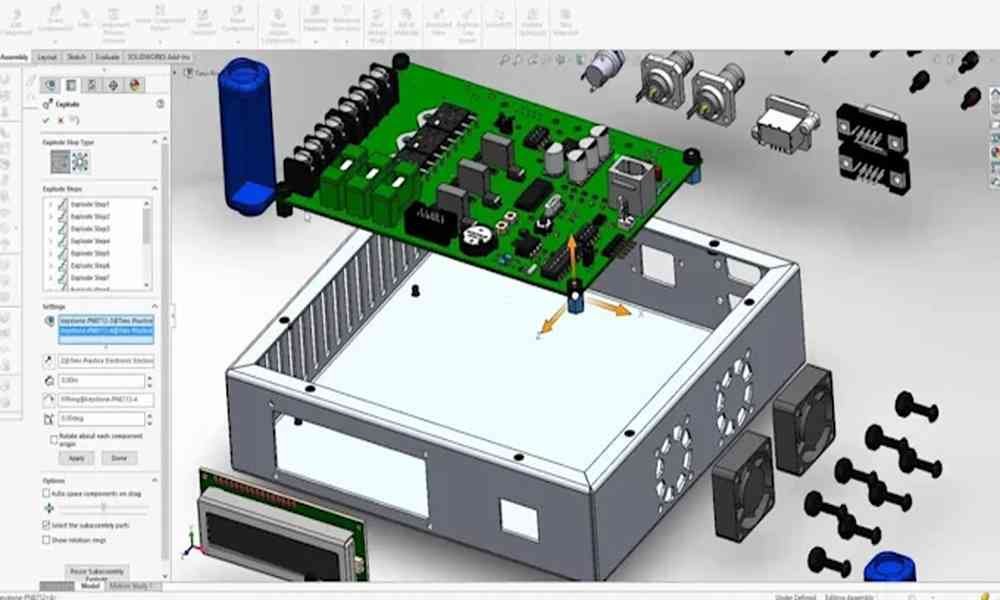
What counts as truly confidential – including CAD files, schematics, PCB designs, firmware, bill of materials, supplier details, and manufacturing procedures
-
Timeframe for which the confidentiality commitment applies
-
Those employees or departments within the manufacturer allowed access to this information
-
Whether the manufacturer may discuss it with their sub-contractors
-
What the manufacturer has got to do with all your files when your collaboration ends
Understand what an NDA doesn’t really protect
An NDA severely limits disclosure and restricts application but doesn’t determine who retains new work produced while collaborating. And so if the manufacturer modifies your CAD files, develops firmware or suggests engineering changes, such inputs won’t necessarily be yours simply because an NDA was executed. Without having that explicit provision written down, there’ll be no solid, legally binding document to support you if there ever is a dispute – which is precisely why that separate ownership clause has got to be included before actual engineering commences, not afterwards.
Share technical details step by step
In the beginning of a possible collaboration conversation, a manufacturer would mostly need general product measurements, the key performance criteria, their preferred materials and also your anticipated production quantity. More detailed source files, your custom PCB layouts, complete bills of materials and all the details related to firmware details should only move across when the specific stage of the engagement actually requires them.
How manufacturer agreements and supplier controls safeguard your IP rights
When a manufacturer gets to work on your product, the questions shift away from what they’re going to share and instead turn towards what they create and own. Although an NDA handles disclosure issues, your actual manufacturing agreement is responsible for defining ownership rights and the whole scope of your professional relationship – and confusing these things is really one of the largest gaps in the IP security system of a hardware start-up founder.
Verify the manufacturer’s identity before sending out any files
Right before you really start sending some meaningful tech data, check and confirm which corporate entity has signed the agreement, which actual facility will carry out the project work, whether there are any sub-contractors involved and who they are, and who among their team have access to the files. A manufacturer who cannot clearly answer those questions has IP controls that are not reliable to you yourself – and that matters way more before sending your files than afterwards.
Define what you own and what the manufacturer might create
When engineering starts, the manufacturer may alter your CAD files, change the PCB layout, develop firmware, or propose changes to the case. Without a very clear written definition of what you have already created versus what they’re making, it can become quite uncertain who owns that new work. Therefore, your agreement really needs to say whether you’re allowed to change the files they create, share them with another manufacturer, get the editable source format instead of the locked export format, and carry on producing elsewhere after your engagement finishes.
Restrict what the manufacturer can do beyond your order
Your manufacturing agreement must set out what the manufacturer is permitted to do with your design outside your immediate requests. This includes whether they’re able to sub-contract without your approval, share your technical files with another client, manufacture items beyond your actual purchase orders or even use some part of your design for their own products. Standard confidentiality terms won’t cover these cases – so each one needs stating directly within the agreement.
Deal with tooling ownership and the manufacturing country
The molds, test fixtures and other specific tools essential for production need to have clear ownership terms long before you actually pay for them, not after things start going wrong. Who owns the tooling, where it is kept and if you’ll be able to pass it over to another manufacturer when moving towards mass production should all be included right at the start in your agreement.
A U. S. Patent doesn’t create rights in China or indeed anywhere else – so if you’re manufacturing abroad, consider whether filing in the actual manufacturing country would be sensible. When working with a manufacturer in China, an NNN agreement addressing non-disclosure, non-use, and non-circumvention under Chinese law may be more appropriate than relying only on a standard U.S.-style NDA. The suitable agreement and governing law depend on the project, so advice from a qualified lawyer familiar with the relevant jurisdiction is recommended.
Steps to Protect Your Hardware Product Idea Before Talking to a Manufacturer
These steps should become part of your standard workflow before you work with any manufacturer. Each step builds on the one before it, so skipping a step can create gaps that become harder to fix later.
Build an IP inventory. Document every asset your hardware product contains: the invention, product design, CAD and engineering files, PCB layout and Gerber files, firmware, manufacturing know-how, supplier information, and brand assets. Record who created each asset and when.
Review patent and design filing timing. Before you publicly disclose your hardware product or share detailed files, determine whether you need to file a patent or design application in the relevant jurisdictions first.
Decide what the manufacturer needs now. Identify the minimum information the manufacturer needs for a useful feasibility discussion, and keep everything else back until the current stage of the hardware product engagement requires it.
Establish confidentiality and ownership terms. Before sharing any substantive hardware product information, set up an NDA covering file access, permitted use, subcontractor restrictions, and how files will be handled after the engagement ends. Address ownership of new work in a separate provision, and finalize these terms before sending any files.
Confirm who receives the files. Verify the legal entity signing the agreement, the manufacturing facility involved, the personnel authorized to access the hardware product files, and any subcontractors before sending anything.
Release files progressively. Start with the information the manufacturer needs for feasibility and quoting. Then provide detailed source files, Gerber files, the full bill of materials, and firmware only when the manufacturing engagement actually requires them.
Keep a disclosure record. Document what you sent, which version you sent, who received it, when you sent it, and why you sent it. Update this record as the hardware product engagement develops.
Revisit protection before any major change or launch. Before making a significant hardware product design change, adding a new supplier, or launching the product publicly, review whether your existing IP, confidentiality, and ownership arrangements still fit the situation.
Protect Your Hardware Idea Before Manufacturing Begins
Hardware founders who work through these steps before the first manufacturer conversation are in a stronger position than those relying on a generic NDA and goodwill. The protection structure does not need to be complicated, but it does need to be in place before the files leave your hands.
Once the IP and disclosure structure is set, the next focus is moving the product design into manufacturable form.
StartupMolding provides:
You can share your enclosure CAD files, module and antenna layout information, and production requirements with StartupMolding for a manufacturability review.
Do I need a lawyer to draft an NDA, or is a template enough?
A template can work, but a generic NDA can miss hardware details, such as firmware ownership, subcontractor access, and what happens to files when the engagement ends. A lawyer can cover these gaps before you share information.
Can I share my hardware product on social media while a provisional patent application is pending?
Yes, but carefully. Filing a provisional patent application establishes your filing date and gives you 12 months to file the non-provisional application. However, disclosure can affect patent rights in countries without a grace period. Have an attorney review sharing first.
What if a manufacturer already produces a similar product? Does that affect my patent application?
It could. A product may qualify as prior art and affect the novelty of your invention. A prior art search matters because freedom to operate and patentability are separate questions that need answers before production.
If I manufacture domestically, do I still need the IP protections?
Regardless of where the manufacturer is located, ownership of newly created CAD files, tooling designs, engineering changes, firmware, or other project work can become disputed if the contract does not define it clearly. Confidentiality, ownership, subcontracting, and permitted-use terms should therefore be agreed in writing.